
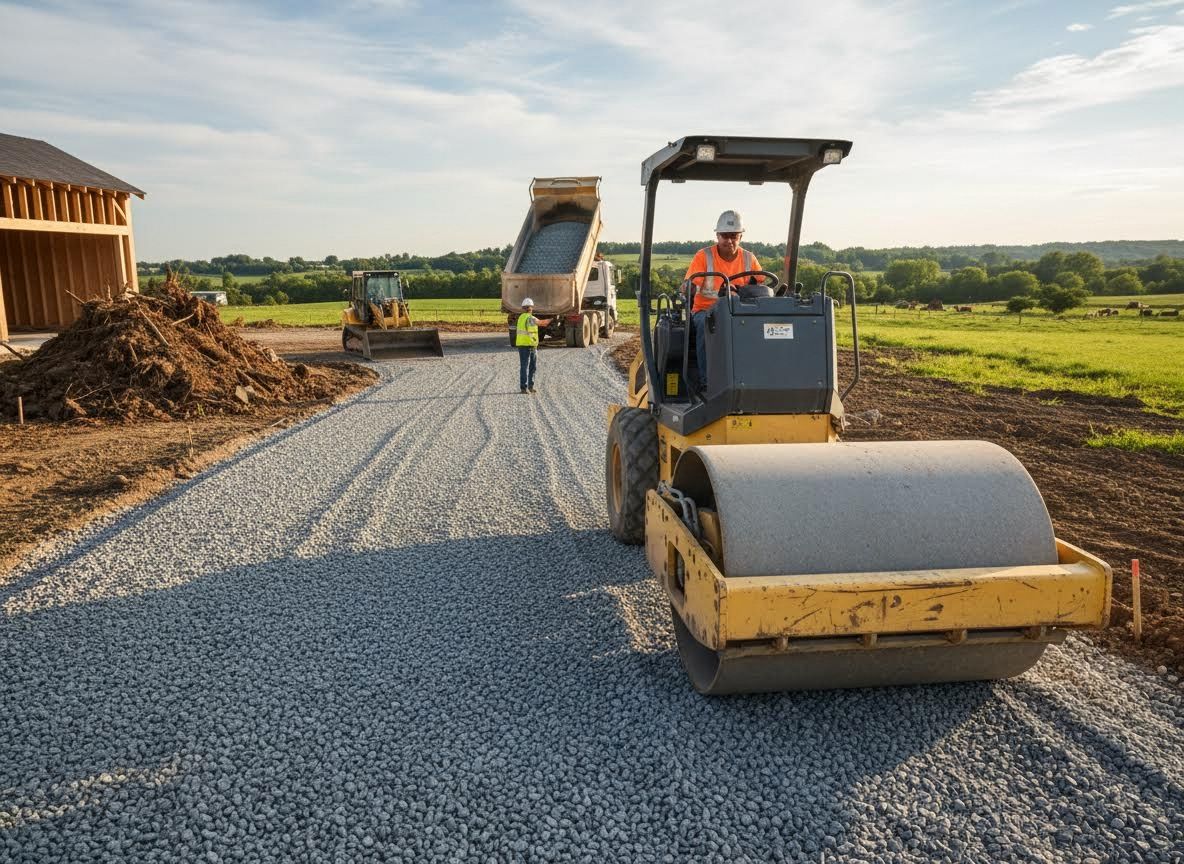
Gravel work might seem straightforward, but achieving long-term durability requires meticulous attention to detail and experienced execution. Whether you're planning a new driveway, a sturdy base for an outbuilding, or foundational work for larger projects, understanding the right approach can save you time, money, and headaches down the road. At AMK Services, we bring our extensive experience and commitment to quality to every ground-level project, ensuring results that stand the test of time.
The Crucial First Step: Site Preparation
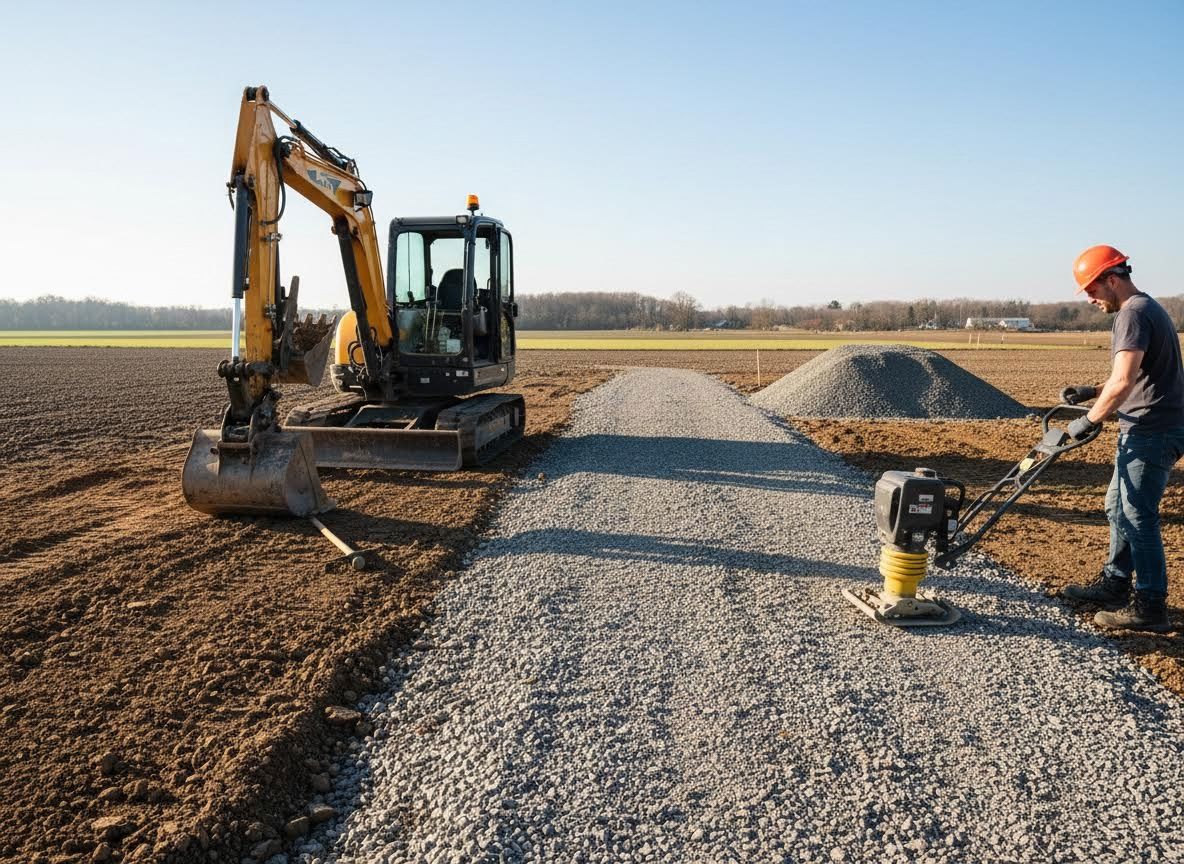
The success of any gravel project begins long before the first load of aggregate arrives. Proper site preparation is paramount to ensure a stable and long-lasting surface. This involves careful grading to establish appropriate slopes for drainage, preventing water from pooling and eroding your work over time. Clearing the area of all vegetation, topsoil, and organic debris is also essential, as these materials can decompose, creating soft spots and instability. A well-prepared foundation is as critical for a simple gravel path as it is for the base of a substantial commercial concrete slabs installation. Without this foundational work, even the highest quality gravel won't perform as expected.
Choosing the Right Aggregate and Optimal Thickness
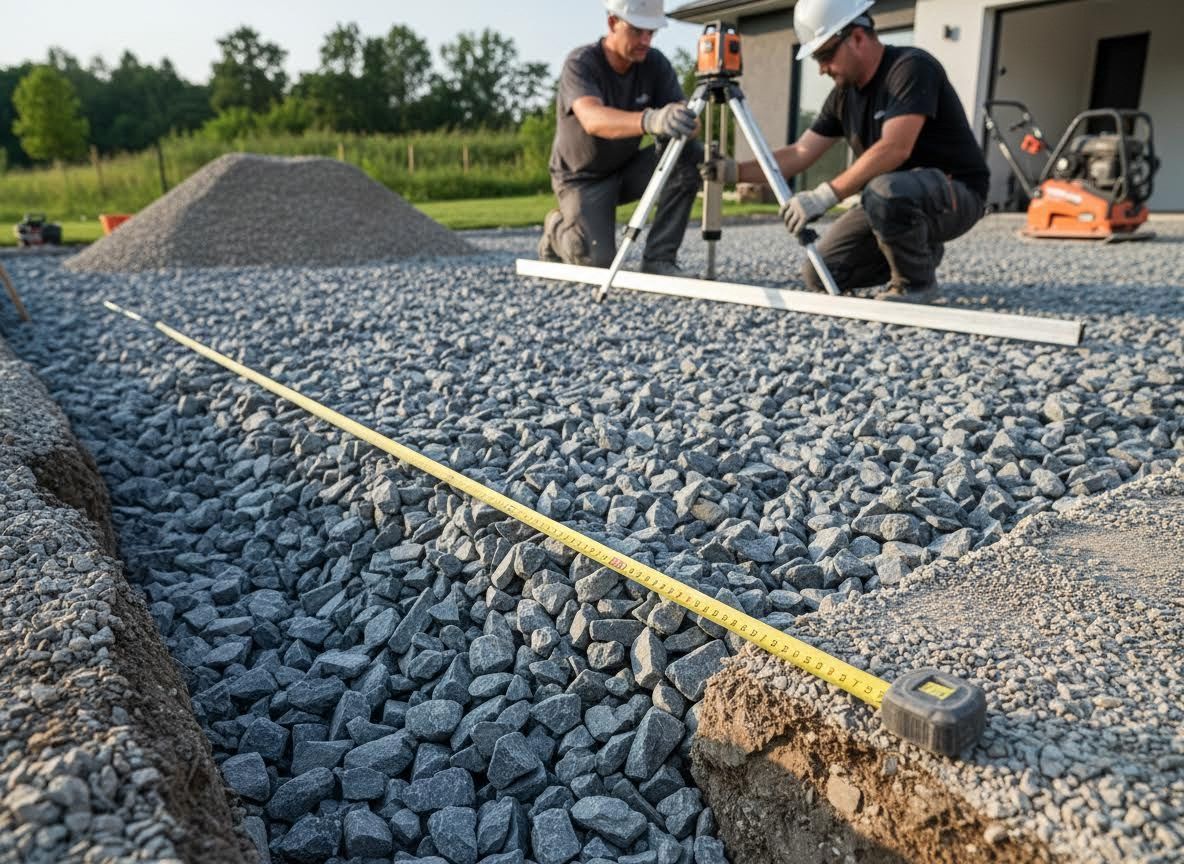
Not all gravel is created equal, and selecting the correct type and determining the appropriate depth are vital for durability. For load-bearing surfaces like driveways or bases, angular crushed stone is often preferred over rounded river rock because its irregular shapes interlock more effectively, creating a stronger and more stable surface. The size of the aggregate also matters, with larger pieces typically used for the base layer and finer material for subsequent layers or the finished surface. The optimal thickness depends on the intended use and anticipated traffic. A light-duty pedestrian path will require less depth than a heavy-duty access road. Making these informed decisions requires the kind of expertise a reputable concrete company provides for its foundational projects.
Compaction: The Key to Stability
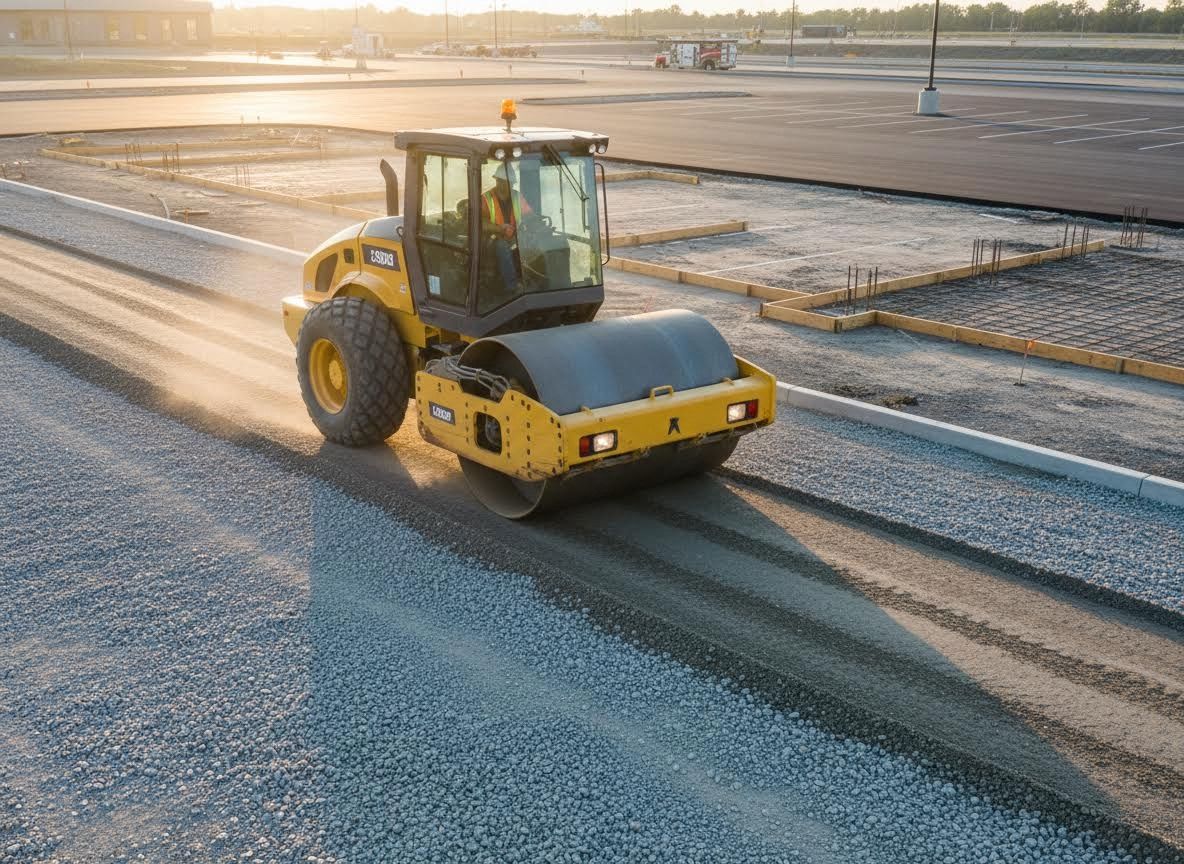
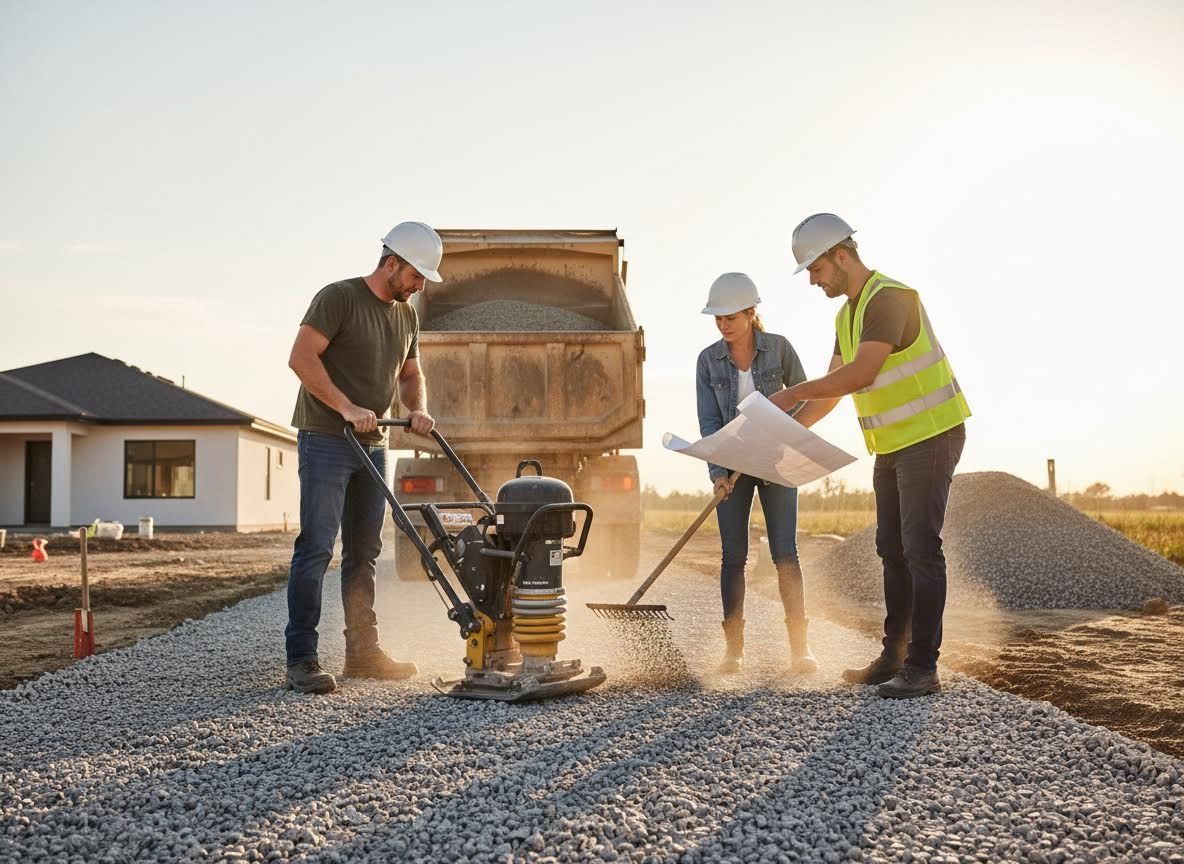
Once the gravel is in place, proper compaction is the single most important step to achieve long-term durability. Compaction removes air pockets, consolidates the aggregate, and creates a dense, interlocked layer that resists settling, rutting, and displacement. Simply spreading the gravel isn't enough; it must be compacted in lifts (layers) using appropriate heavy equipment, such as a vibratory roller. Each layer should be uniformly compacted to its maximum density before the next layer is applied. This meticulous process ensures a solid, stable base capable of withstanding the elements and heavy use, which is critical for projects ranging from parking lot paving to extensive asphalt work. Skipping or rushing this step significantly compromises the integrity and lifespan of your gravel surface.
Your Investment in Lasting Quality
Ensuring your gravel work is done right is an investment in durability and functionality. By focusing on meticulous site preparation, selecting the correct materials, and executing thorough compaction, you lay the groundwork for a surface that will serve you well for years to come. These foundational principles are at the heart of all our "ground and down" projects, reflecting our commitment to quality, integrity, and customer satisfaction. For detailed advice on planning your next ground-level project, consider consulting with experienced professionals who understand the nuances of durable construction.